
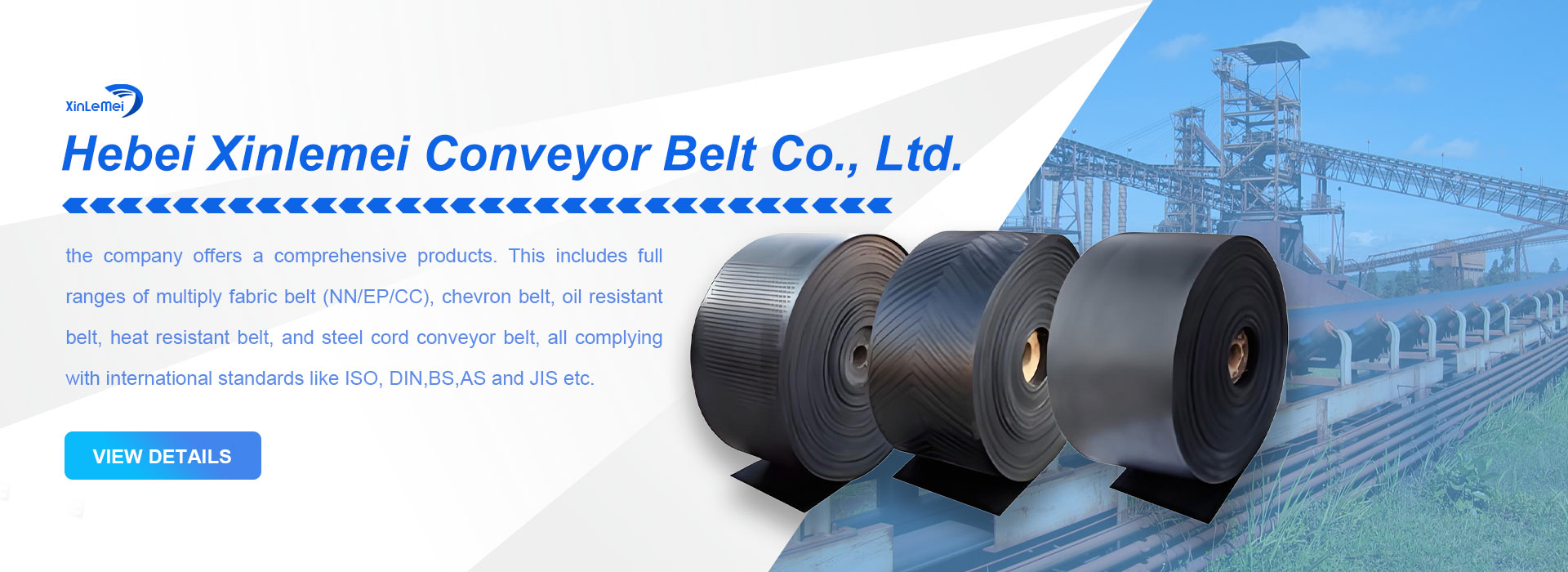
Heat-Resistant Conveyor BeltHigh temperature resistant conveyor belt is specially designed for conveying high temperature materials. It has excellent heat resistance and can maintain excellent anti-aging performance in harsh environments during high temperature transportation; Prolong service life.P
CONTACT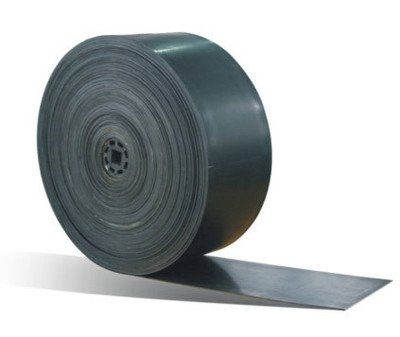
High temperature resistant conveyor belt is specially designed for conveying high temperature materials. It has excellent heat resistance and can maintain excellent anti-aging performance in harsh environments during high temperature transportation; Prolong service life.
Product selects cotton or EP canvas as skeleton material.Cover rubber and cushion rubber is styrene-butadiene rubber or chlorobutadiene that has excellent heat resistance. Under temperature of 150 degree and it is suitable for conveyor materials under the temperature 150 degree.
Application
Metallurgy, cement plant, fertilizer and high-temperature environment
Feature
Special rubberized fabric instead of common fabric.
Note:
1. The temperature between the material and the belt surface is very different.
2. The above difference comes from the material conveying size, cooling (water, ventilation, etc.)
Temperature Range
| Belt Surface Temperature | T1(100℃) | T2(125℃) | T3(150℃) | T4(180℃) |
| Average temperature of material | 100 | 130-140 | 140-190 | 190-220 |
| Material peak temperature | Incandescent point | 150 | 200 | 200-300 |
After long-term heat exposure, improper selection of the heat-resistant rubber cover may cause great problems. Please consult Sanjia before making a decision.
Characteristics:
The carcass of the product selects cotton canvas or special heat resistant EP canvas as skeleton material. Cover rubber and cushion rubber is styrene-butadiene rubber or epdm rubber that has good heat-resistant. The product can work under the temperature of 150℃ . Heat-resistant conveyor belt widely used in industries of metallurgy,cement, coking,steel, and etc.
1.There is very difference temperature between materials with surface of belt.
2.The above difference come from materials conveyed size, cooling measure (water,ventilation,etc.)
| Physical Properties Of Covers | |||||
| Items | Class | ||||
| T1 | T2 | T3 | T4 | ||
| Test Temperature | |||||
| ≤100℃ | ≤125℃ | ≤150℃ | ≤175℃ | ||
| Permissible Change | |||||
| Hardness | Difference between the values obtained after ageing and the original unaged values | +20 | +20 | +20 | +20 |
| The highest value after aging | 85 | 85 | 85 | 85 | |
| Tensile strength | Change /% | -25 | -30 | -40 | -40 |
| The lowest value after aging /MPa | 12 | 10 | 5 | 5 | |
| Elongation at break | Change after aging /% | -50 | -50 | -55 | -55 |
| The lowest value after aging /% | 200 | 200 | 180 | 180 | |
